Embedded_IoT_Portfolio
A curated portfolio showcasing my embedded systems and IoT projects, featuring hardware design, PCB layout, firmware development, and smart energy solutions. Includes prototypes and production-ready systems with real-time monitoring, hybrid controllers, and low-power IoT devices
Toyyib Akinkunmi Olalekan
Senior Embedded Systems & IoT Engineer
📧 Connect with me


I am an Embedded Systems and IoT Engineer with expertise in the complete product design lifecycle, from schematic design and PCB layout to BOM generation, BoQ optimization, and design for manufacturability. My focus is on creating reliable, efficient, and scalable embedded and IoT solutions, combining hardware, firmware, and cloud connectivity to deliver impactful, real-world applications.
I am proficient in industry-standard design tools, including:
- KiCAD – Schematic capture and PCB layout
- DipTrace – PCB design and component management
- Altium Designer – Advanced schematic and PCB design for production-ready systems
The projects in this portfolio demonstrate my skills across industrial IoT, smart energy systems, hybrid power controllers, low-power monitoring devices, and networked embedded systems. Each project highlights my ability to design, implement, and optimize embedded hardware and software for commercial and industrial deployments.
Below is a curated list of some of the projects I have worked on, including both prototype and production-ready systems.
- Hybrid IoT Backup Controller for Intelligent Power Systems
- Solar Irradiance Logger
- Prototype IoT Power Meter
- Multi-Tariff Energy Switching Device for Gated Estates
Hybrid IoT Backup Controller for Intelligent Power Systems
(Inverters, Variable Frequency Drives & LiFePO₄ Batteries)
System Overview
This device is a hybrid backup IoT controller designed to monitor, control, and remotely manage intelligent inverters, variable frequency drives (VFDs), and LiFePO₄ battery systems in mission-critical power environments.
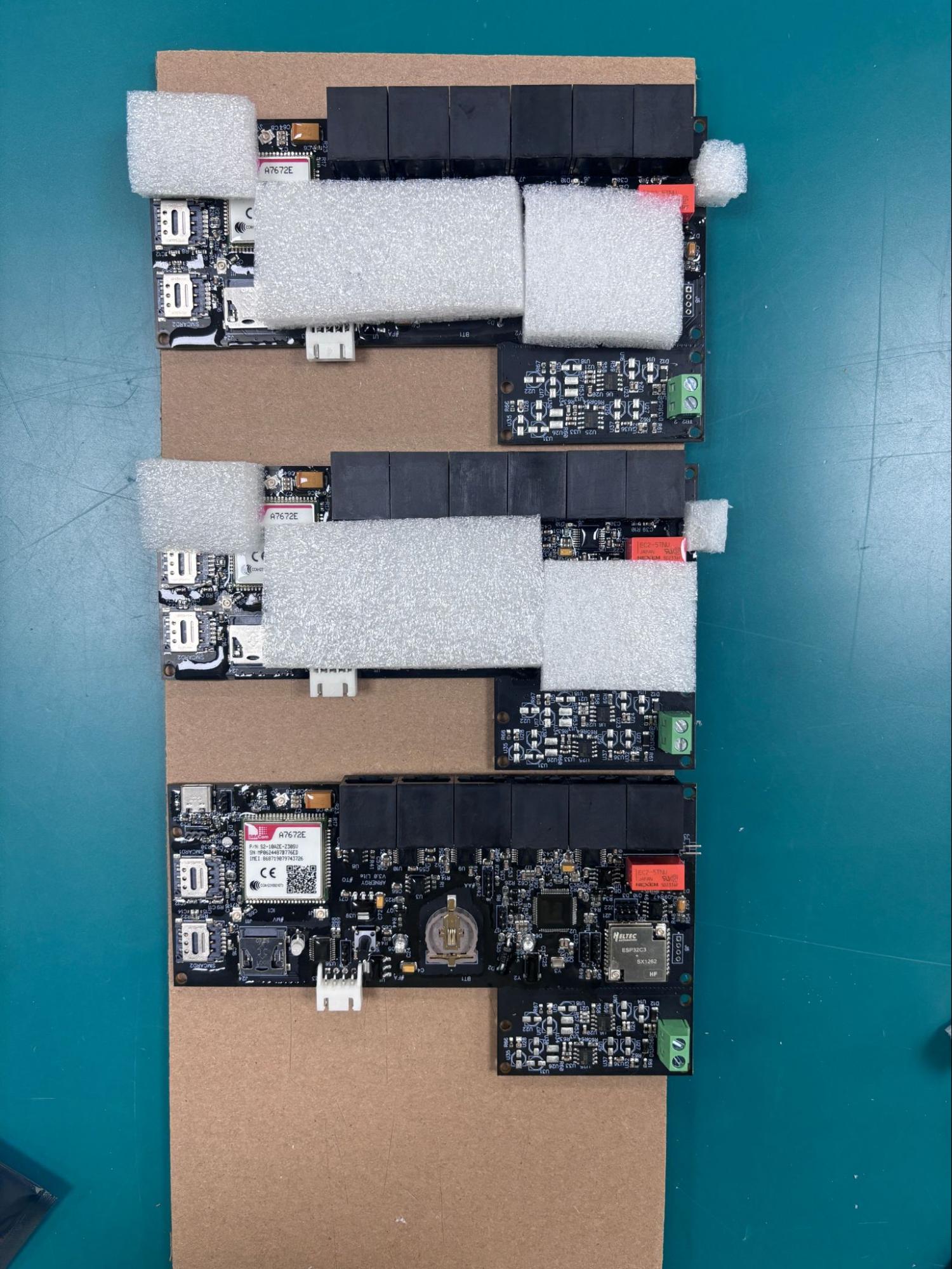 Figure 1.0: 4-layer PCBA of controller
At its core, an STM32F407 microcontroller acts as the central control and protocol-handling unit, interfacing with multiple industrial devices over RS232, RS485, and CAN buses. These interfaces allow the controller to communicate with heterogeneous equipment from different vendors using industrial communication standards.
For connectivity and remote access, the system integrates:
- A SIMCOM A7670E 4G LTE modem for wide-area communication and cloud connectivity
- A Heltec WiFi + LoRa module to enable local wireless networking, BLE-based commissioning, and long-range low-power communication
Operational data, logs, and system states are stored locally on a 64GB microSD card, ensuring offline resilience and traceability. A real-time clock (RTC) provides accurate timekeeping for event logging, scheduling, and backup synchronization during power outages.
The controller also features dry contact outputs used for energy priority control, enabling automated switching logic between power sources (grid, inverter, battery) based on system conditions, availability, or predefined rules.
Key Features & Capabilities
Industrial Communication Interfaces
- 4 × RS232 ports for inverter, VFD, and battery BMS communication
- 2 × CAN interfaces for high-reliability, real-time industrial data exchange
- 1 × RS485 interface (4 channels) for multi-drop industrial networks
- USB-C port for configuration, debugging, and firmware updates
Connectivity & Remote Management
- 4G LTE modem (SIMCOM A7670E) for cloud and remote monitoring
- Dual SIM support for network redundancy and failover
- Wi-Fi connectivity for local network integration
- Bluetooth Low Energy (BLE 5.0) for device provisioning and maintenance
- LoRa support for long-range, low-power telemetry in remote deployments
Control & Automation
- Dry contact outputs for energy priority and source-selection control
- Supports intelligent decision-making for hybrid power systems
- Designed for seamless coordination between inverters, VFDs, and batteries
Data Logging & Reliability
- MicroSD storage (up to 64GB) for system logs, telemetry, and diagnostics
- RTC-based time backup ensures accurate timestamping during power loss
- Resilient operation with both online and offline data handling
Hardware Architecture
- STM32F407 MCU for deterministic real-time control and protocol handling
- Heltec WiFi + LoRa module for multi-radio wireless communication
- SIMCOM A7670E LTE module for reliable wide-area IoT connectivity
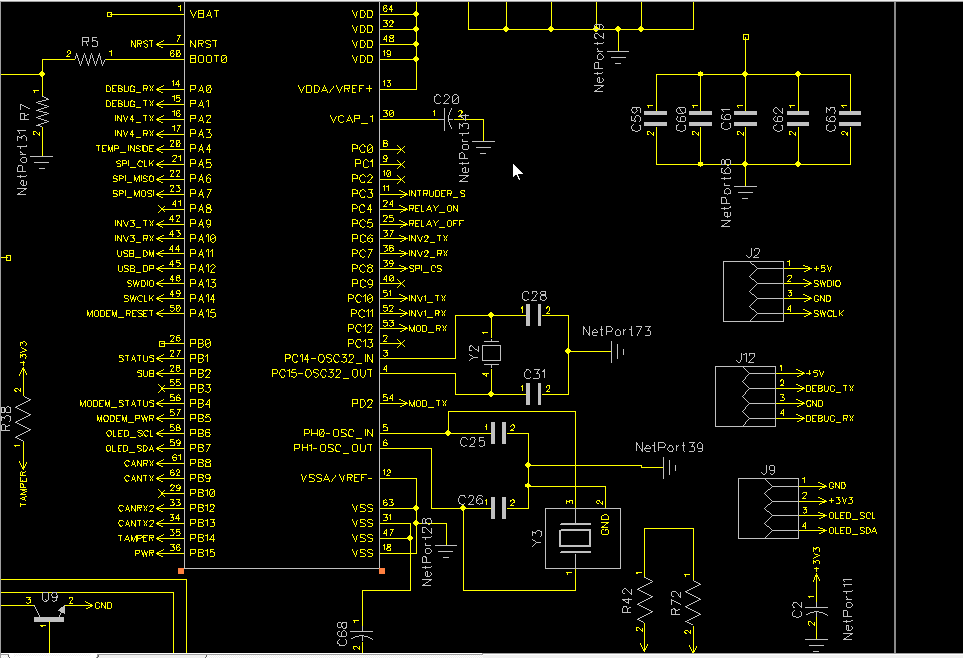
Figure 1.1: Schematic diagram snapshot in Diptrace
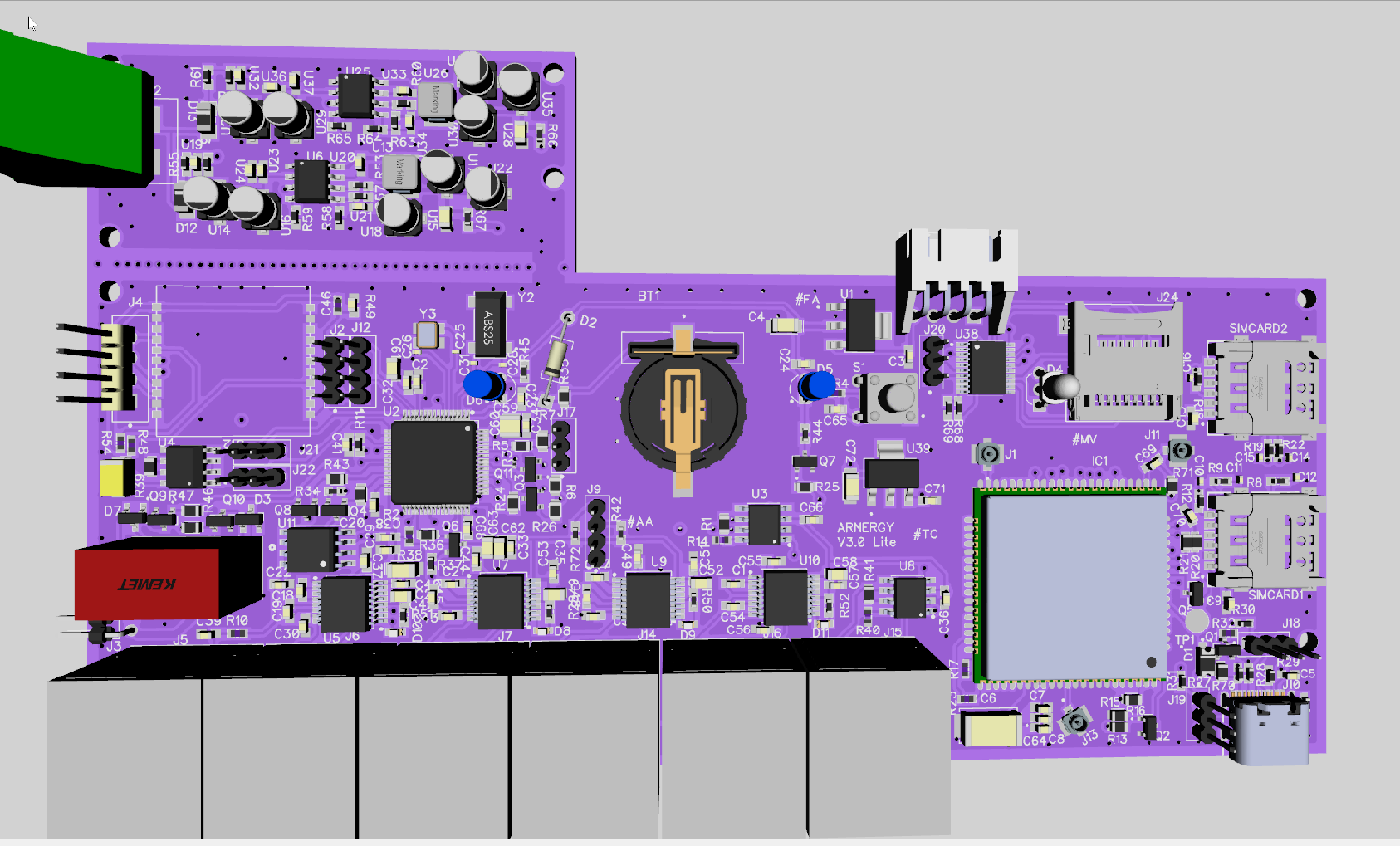 Figure 1.2: 3D view of PCB
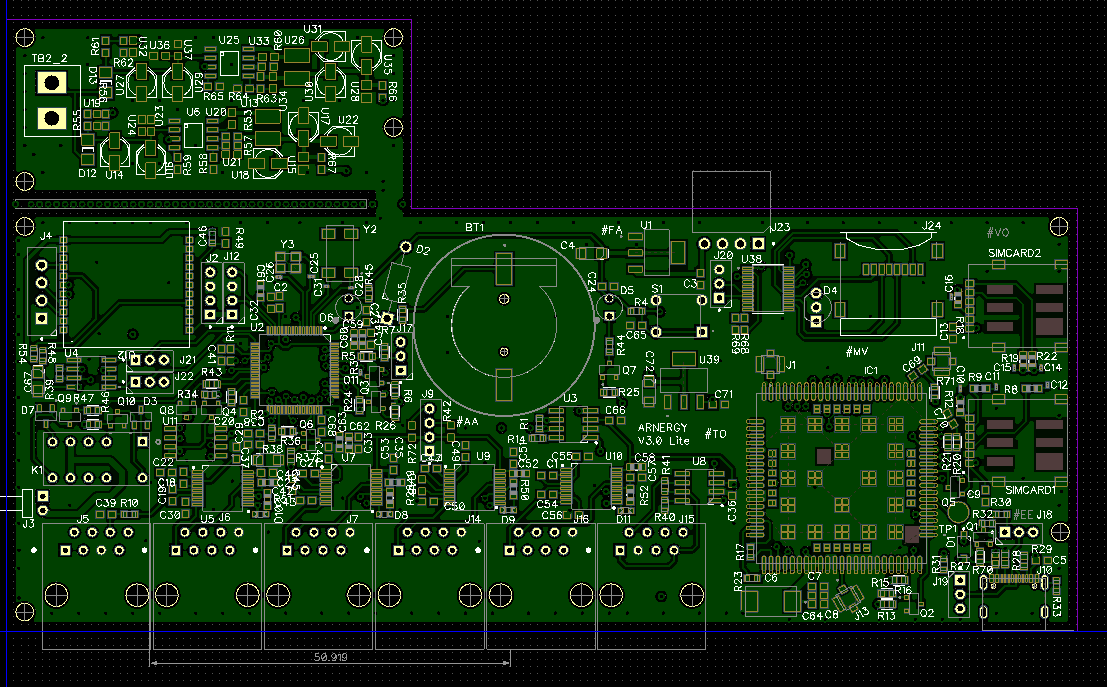 Figure 1.3: 4-Layer PCB diagram in Diptrace
Solar Irradiance Logger
Project Overview
The Solar Irradiance Logger is a low-power, IoT-enabled device designed to continuously measure and log solar irradiance using a pyranometer sensor. It is optimized for remote, off-grid deployments with minimal energy consumption and supports both local and remote data access.
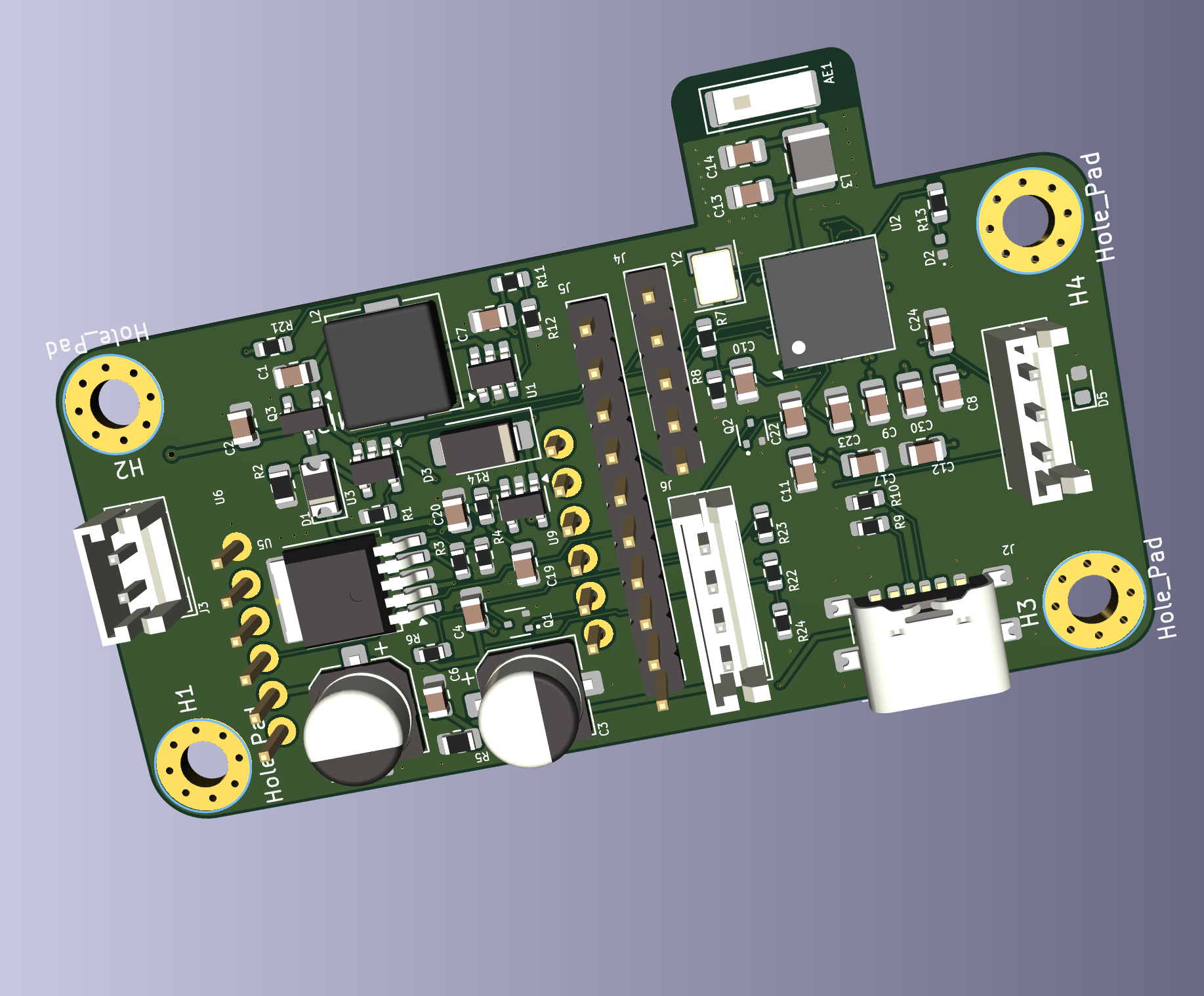
Figure 2.0: 3D view of solar irradiance logger. Design made in KiCAD
The device is ideal for solar farms, research projects, weather monitoring stations, and renewable energy applications, providing actionable insights into solar energy availability.
How It Works
- The pyranometer measures incoming solar radiation in real-time.
- Data is captured by an nRF52840 microcontroller, which handles:
- Sensor sampling
- Data aggregation and processing
- Power management (deep sleep cycles for energy conservation)
- BLE communication for short-range wireless access
- For remote telemetry, a SIM800L 2G modem transmits collected data to cloud servers or monitoring dashboards.
- Local access is provided via a USB-C port for configuration, debugging, and offline data retrieval.
- The system operates in ultra-low-power mode, using BLE and deep sleep strategies to maximize battery life, making it suitable for long-term outdoor deployments.
System Architecture
Hardware & Communication Flow:
- Sensor Layer: Pyranometer for accurate irradiance measurement.
- MCU Layer: nRF52840 handles data collection, processing, BLE communication, and low-power management.
Connectivity Layer:
- BLE 5.0 for local configuration and short-range telemetry
- SIM800L 2G modem for remote data upload
Interfaces:
- TTL interface for sensor or modem communication
- USB-C for configuration, debugging, and data download
Key Features
- Accurate solar irradiance measurement using a pyranometer sensor
- Ultra-low-power design with deep sleep cycles
- BLE 5.0 for local short-range data access
- 2G cellular connectivity via SIM800L for remote monitoring
- USB-C interface for direct access and configuration
- Optimized for off-grid deployments with minimal maintenance
Hardware Components
- nRF52840 MCU: Ultra-low-power microcontroller with BLE support
- SIM800L 2G Modem: Cellular communication for remote telemetry
- Pyranometer: Sensor for measuring solar irradiance
- Connectivity Interfaces: TTL, USB-C, BLE 5.0, 2G
Energy Conservation Strategies
- Deep sleep mode minimizes power draw during idle periods
- BLE communication allows ultra-low-energy data exchange
- Duty cycling ensures long-term operation in battery-powered or off-grid deployments
Use Cases
- Monitoring solar farm performance
- Renewable energy research and data collection
- Weather and climate monitoring stations
- Remote, off-grid solar installations
- IoT-enabled energy analytics for smart grid projects
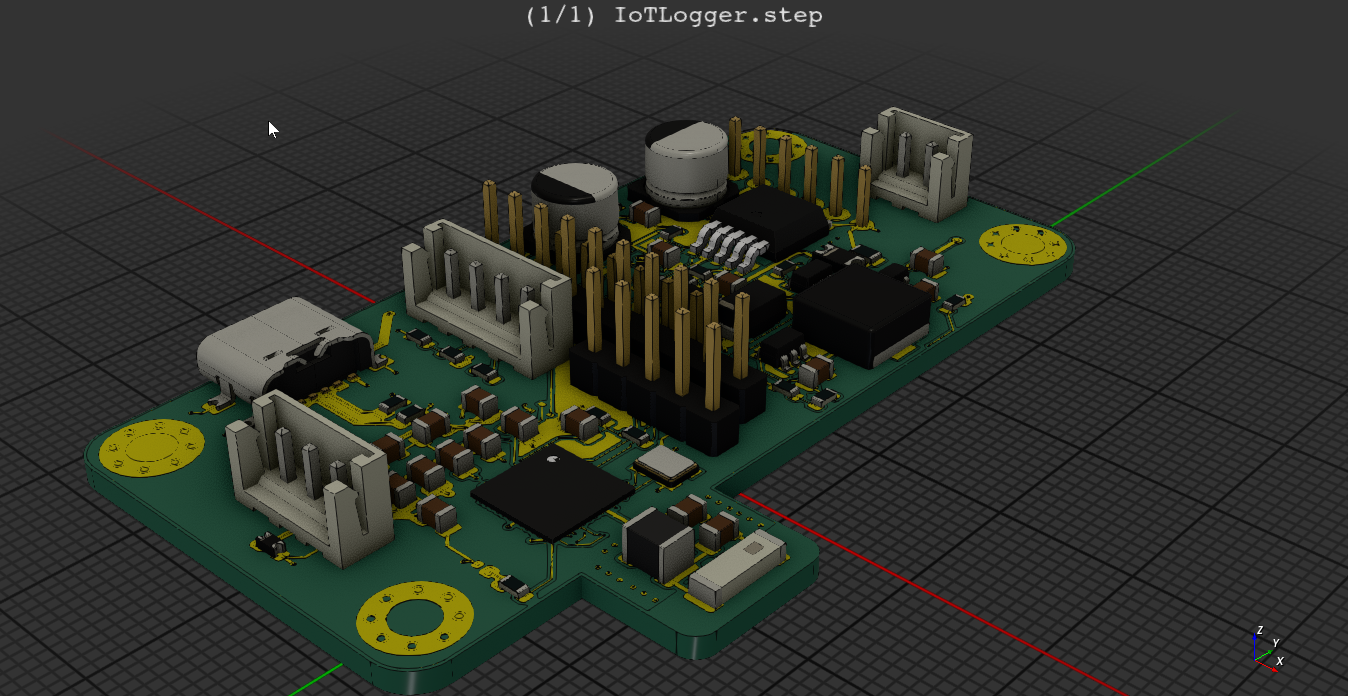 Figure 2.1: 3D hyper realistic view
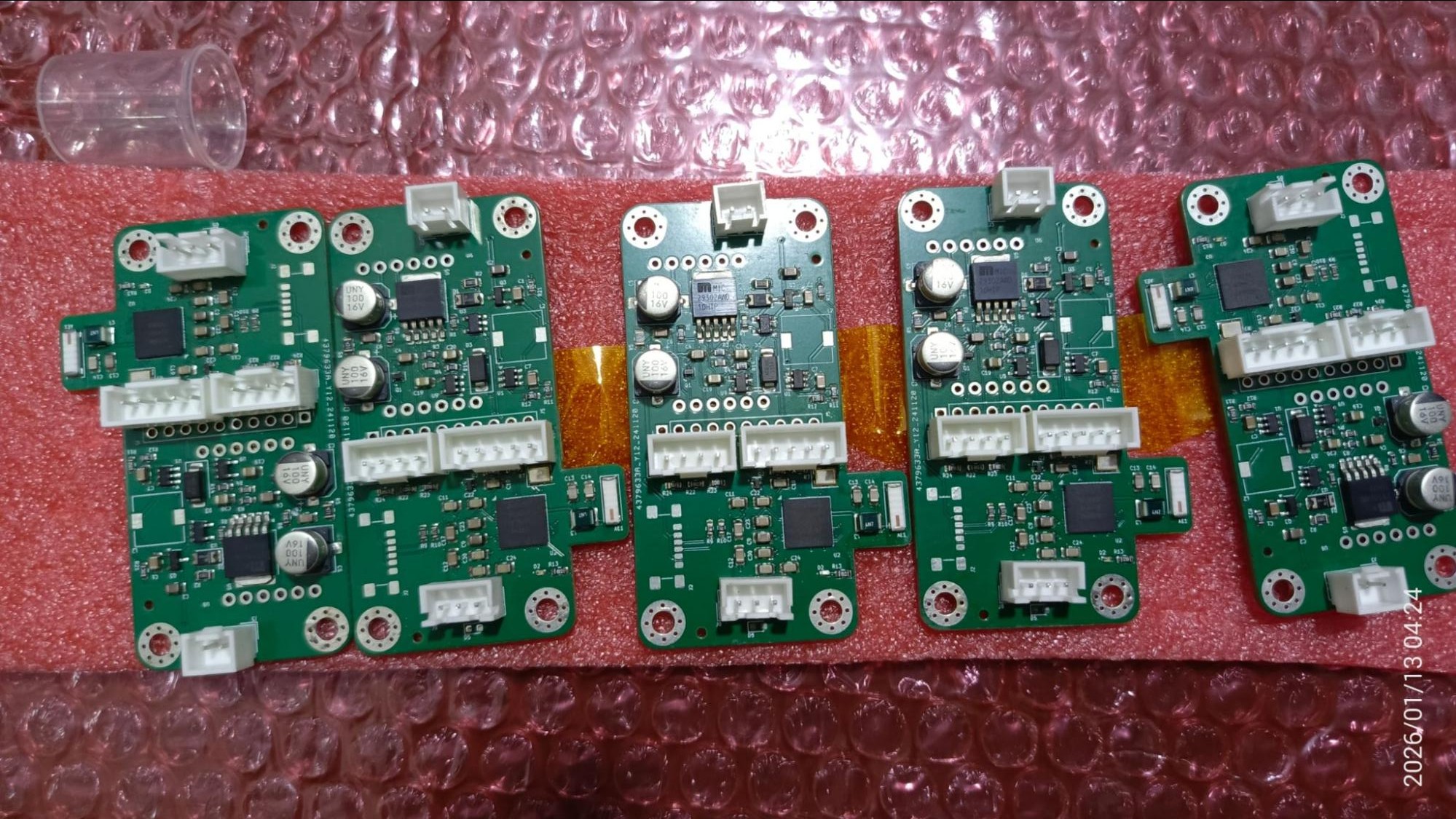
Figure 2.2: Printed circuit board assy
Prototype IoT Power Meter
A smart IoT-enabled power meter prototype built for real-time monitoring and remote telemetry of electrical parameters. The system integrates a PZEM-04T power meter with voltage and current transformers, interfaced to an STM32H743 Nucleo board. Communication is handled via the onboard Ethernet PHY, connecting to a 4G router, with the Mongoose TCP/IP stack managing MQTT and WebSocket protocols. The front-end, developed in React, displays real-time energy parameters including voltage, current, power factor, and energy consumption. This design allows scalable networked energy monitoring for residential or industrial applications.
Key Features:
- Real-time measurement of voltage, current, power factor, and energy using PZEM-04T + CT/PT
- STM32H743 MCU for deterministic control and data aggregation
- Ethernet-based communication via Mongoose TCP/IP stack with MQTT and WebSocket support
- Front-end visualization with React for live monitoring
- LAN-connected to 4G router for cloud-ready remote telemetry
- Scalable prototype for IoT energy monitoring systems
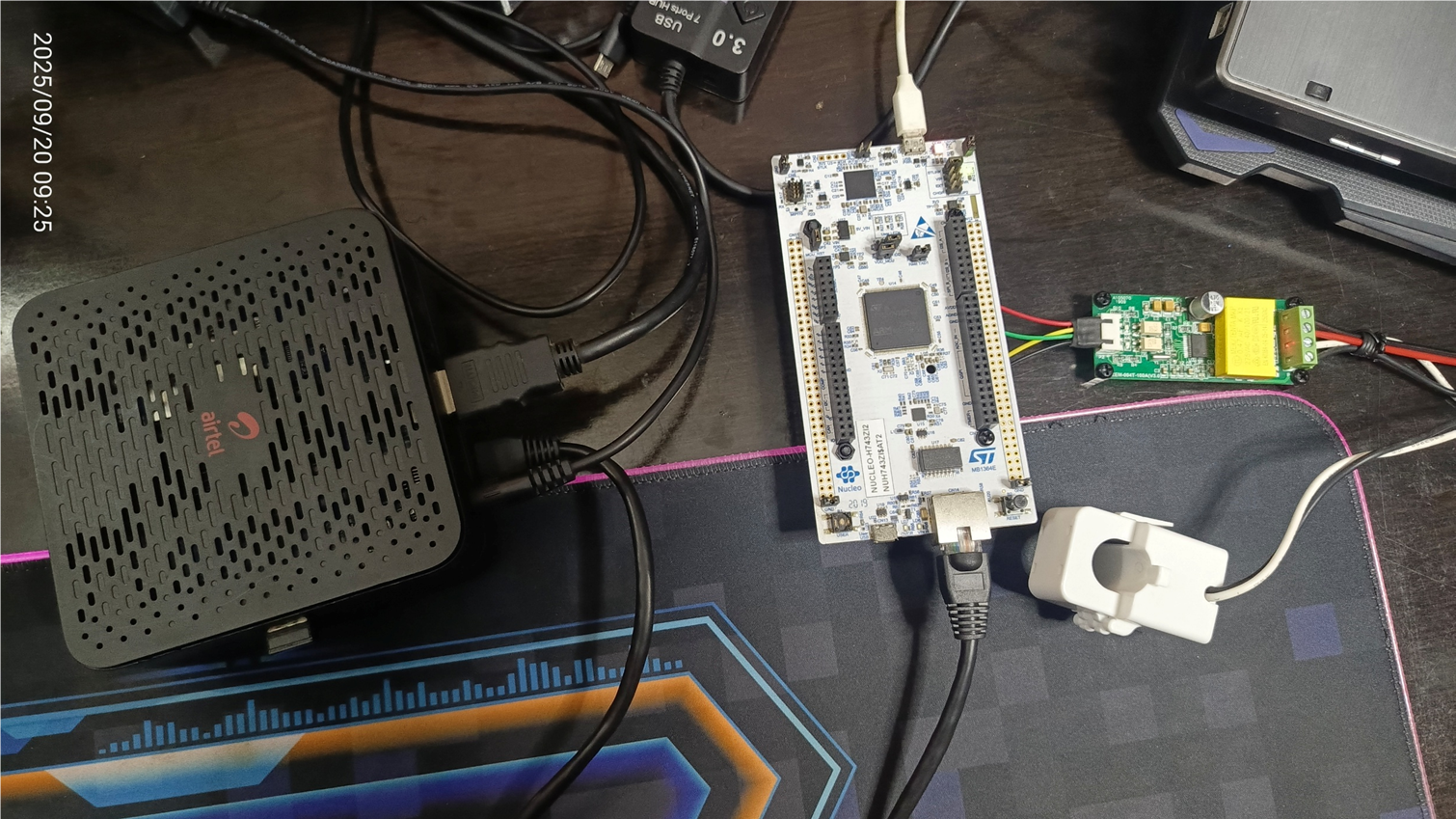 Figure 3.0:Prototype IoT Power Meter
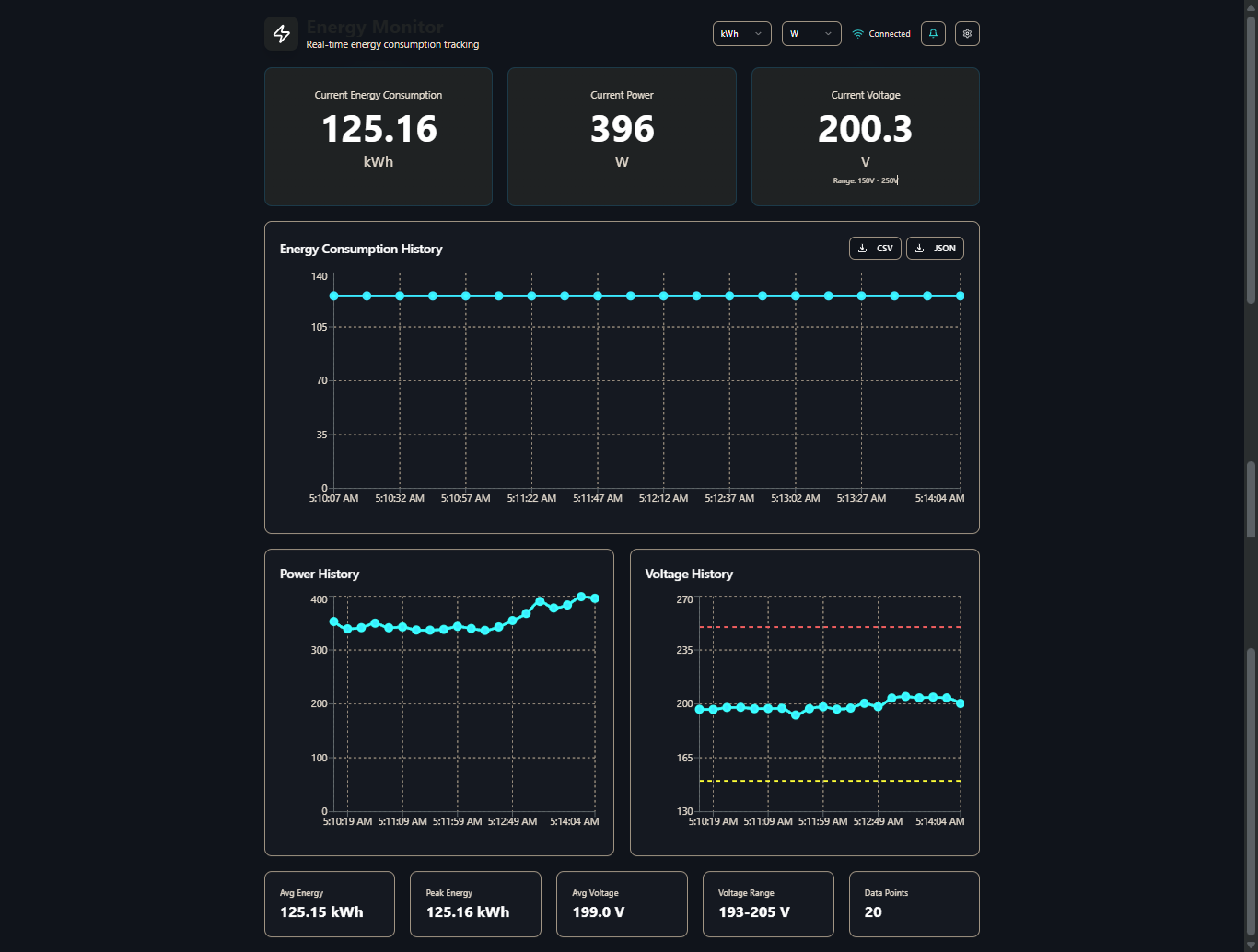 Figure 3.1: Supervisory Interface
IoT Card for Portable Solar Generators
A smart IoT-enabled card that enables pay-as-you-go access to portable solar generators. Users can purchase energy credits, while operators gain remote monitoring, vending, shutdown, and fleet tracking capabilities. The system integrates secure wireless communication to track generator usage, manage balances, and monitor location and status in real-time, making off-grid solar distribution efficient, scalable, and fully manageable.
Key Features:
- Pay-as-you-go energy credit system
- Remote generator control and shutdown
- Fleet tracking and location monitoring
- Usage monitoring and reporting
- Secure wireless communication
- Supports vending and scalable deployment
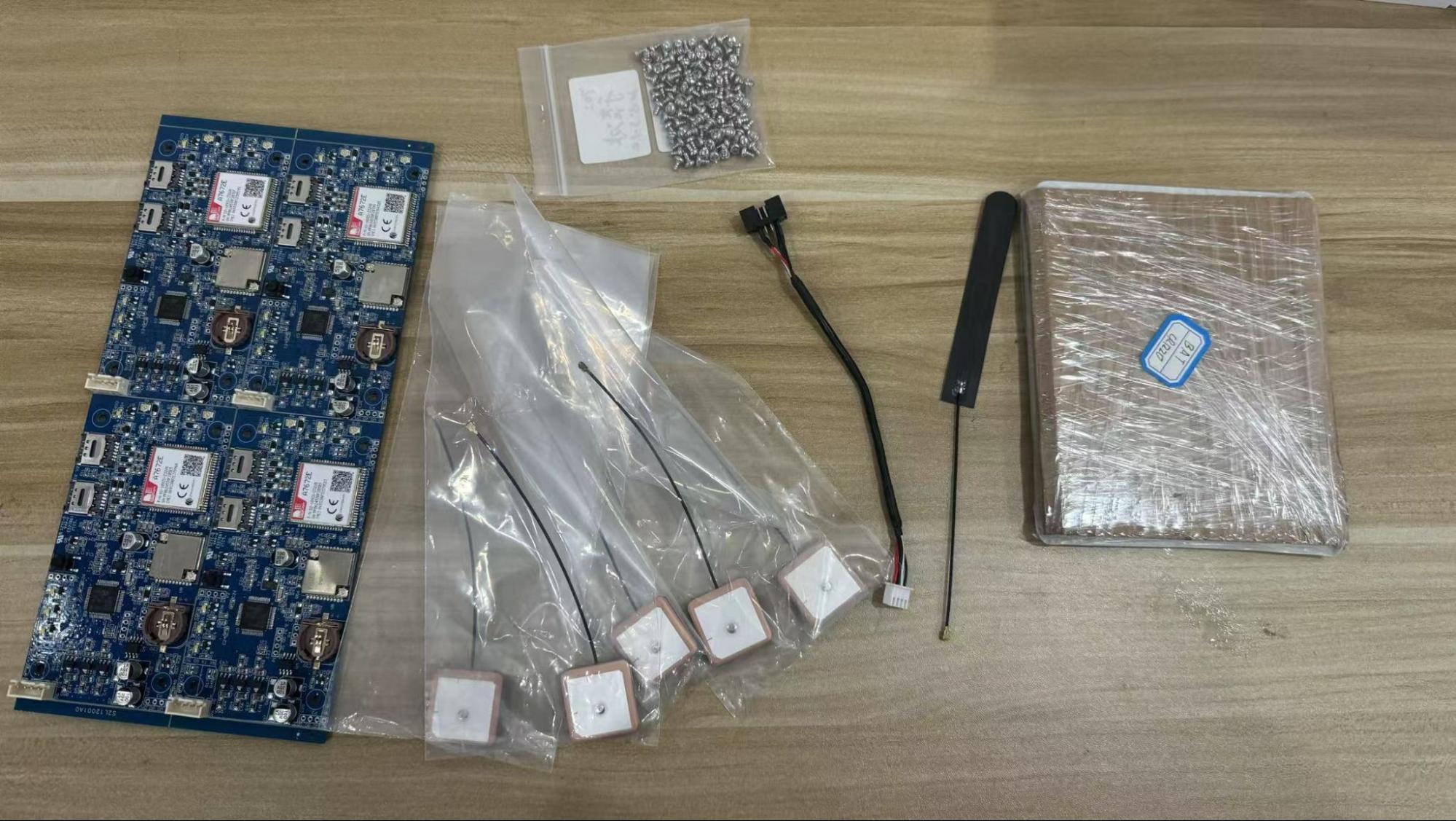 Figure 4.0: IoT Card for PSGs
Multi-Tariff Energy Switching Device for Gated Estates
An embedded IoT device that enables automatic switching between multiple energy sources—such as grid and diesel generators in gated estates. Installed in the substation of the estate’s power house, the device uses an STM32L100 microcontroller and a Fourfaith LoRaWAN module to monitor energy source availability and transmit switching signals to customers’ prepaid meters. This ensures that users are billed accurately according to the active tariff regime and energy source, enabling transparent, efficient, and automated energy management.
Key Features:
- Automatic switching between multiple energy sources (Grid, Diesel Generator)
- Real-time signaling to customer prepaid meters for accurate billing
- LoRaWAN communication for wireless, scalable deployment
- Embedded STM32 MCU for reliable, low-latency control
- Designed for installation in gated estate substations
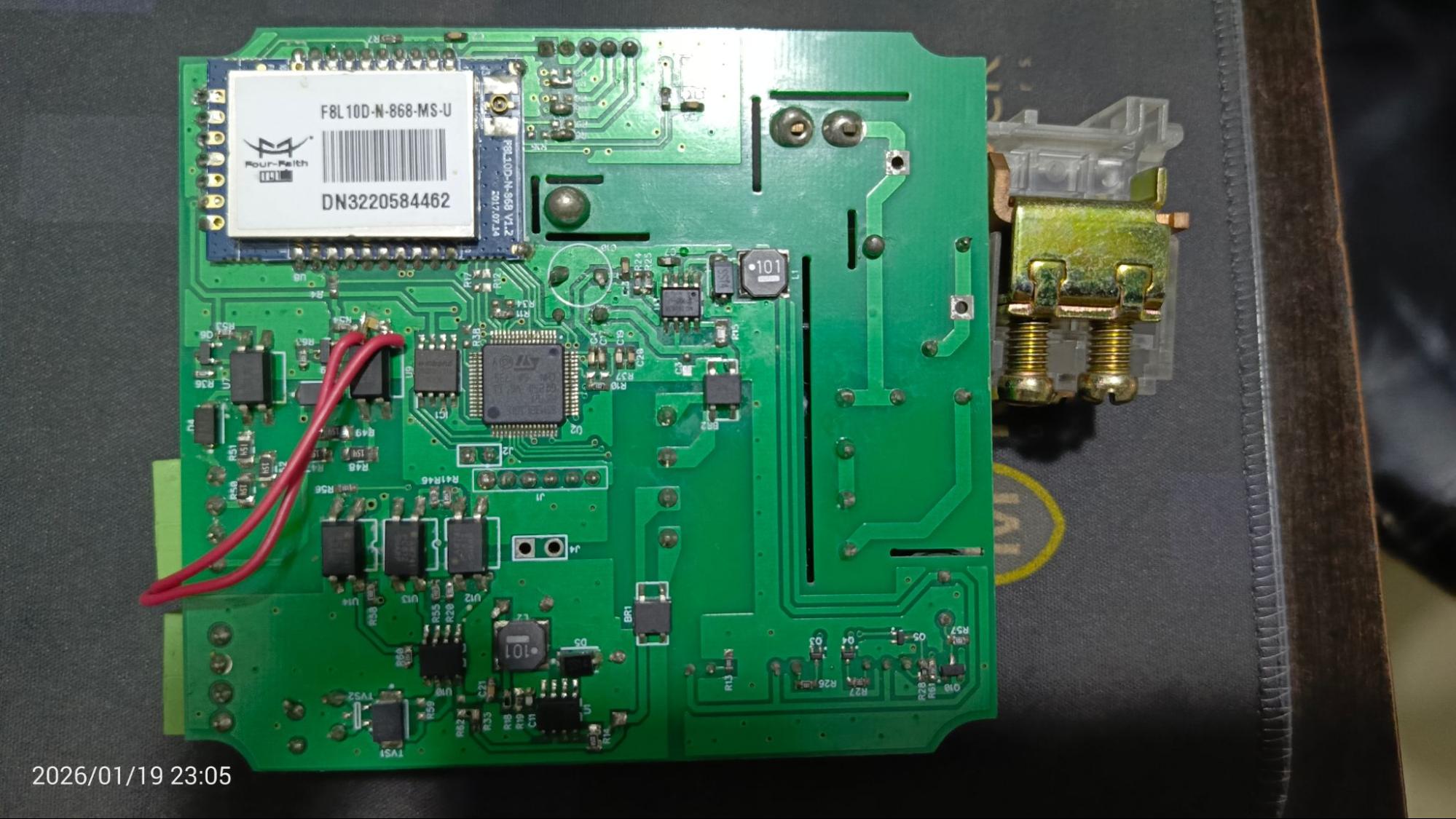 Figure 5.0: Multi-Tariff switcher